Faith Isn’t a Debate Club

Faith isn’t a hobby for smart people to debate—it’s forged in marriage, temptation, suffering, duty, and the quiet choices that make or break a life. —Joseph C. Kunz, Jr.
Why the Real Tests of Belief Happen at Home — Not in a Seminar
By Joseph C. Kunz, Jr.
Synopsis
Modern religion talk often treats faith like an intellectual sport: arguments, counterarguments, clever doubts, and carefully managed “openness.” But life doesn’t grade your theories. It grades your character. In this essay, Joseph C. Kunz, Jr. argues that faith is not a debate hobby for the educated class—it’s a discipline that forms a person where it matters most: in suffering, temptation, marriage, parenting, work, and responsibility.
Kunz explains why “God as an idea” is easy, why the seminar-room version of belief often produces nothing but ego, and why real faith shows up in the unglamorous places—when you’re tired, offended, afraid, or alone. Faith isn’t proven by sounding smart about God. It’s proven by becoming steadier, cleaner, braver, and more loving when life gives you every excuse to become bitter.
If your ‘faith’ only exists in conversation, it isn’t faith. It’s entertainment for the mind. —JCK
I. Introduction: The Cleanest Way to Avoid God
There is a way to talk about religion that lets you avoid religion.
It sounds thoughtful. It sounds careful. It sounds “mature.” It usually includes phrases like:
• I’m exploring.
• I’m open to it.
• I have questions.
• It’s complicated.
• I’m not religious, but…
And I’m not against questions. I’m not afraid of thinking. I’m not impressed by shallow certainty.
But I’ve watched something for years.
A man can spend his entire life “discussing” God and never once submit to God.
He can read books, attend lectures, collect arguments, and still be weak in the places that actually matter.
Because faith isn’t mainly about what you can defend in a conversation.
Faith is about what you obey when the conversation ends.
That’s why I’m blunt about it:
Faith isn’t a debate club. It’s training.
And training isn’t proven by what you say.
It’s proven by what you do when life squeezes you.
II. The Seminar Temptation: Why “Thinking About God” Can Become a Hiding Place
There’s nothing wrong with serious discussion. Reason matters. Theology matters. Ideas matter.
But here’s the trap:
Discussion can become a hiding place.
Because thinking about God is safer than obeying God.
A man can debate morality without ever facing his own lust.
He can critique the Church without ever confessing his own pride.
He can ask questions about suffering while refusing to forgive the person who hurt him.
He can talk about “faith and reason” while he’s quietly lying to his wife, cutting corners at work, or feeding resentment like it’s a pet.
The seminar room is comfortable because it keeps you in control.
You can stay above the subject.
You can stay in the posture of evaluator.
You can sound intelligent while remaining unchanged.
But that isn’t faith.
That’s distance.
Real faith closes the distance.
Real faith says: this is not an interesting topic. This is truth—and truth has claims on me.
III. Where Faith Actually Happens: Marriage, Money, Temptation, Suffering, and Duty
If you want to know whether faith is real, don’t ask what someone says about God.
Ask what happens when life applies pressure.
Because pressure reveals what you’re built on.
A. Faith Shows Up in Marriage
Marriage is one of the most honest arenas on earth.
It exposes selfishness. It exposes pride. It exposes your appetite to “win.” It exposes how quickly you get cold when you don’t get your way.
Faith in marriage looks like:
• telling the truth when hiding would be easier
• forgiveness when bitterness feels justified
• loyalty when romance fades
• restraint when temptation whispers
• humility when you were wrong
A man can be brilliant and still poison his home.
Faith is what keeps a home from becoming a battlefield of egos.
B. Faith Shows Up Under Temptation
Temptation is where theories die.
Nobody is tempted by abstract ideas.
You’re tempted by appetite.
By comfort.
By attention.
By power.
By escape.
And the real question is never, “What do you believe?”
The real question is: Can you say no?
Faith trains one of the most hated words in modern life:
No.
No to the shortcut.
No to the lie.
No to the rationalization.
No to the “I deserve this.”
No to the version of you that wants pleasure more than integrity.
C. Faith Shows Up in Suffering
Suffering doesn’t make you evil.
But it gives you permission to become evil—if you choose bitterness.
Suffering reveals whether you worship comfort.
Because if comfort is your god, suffering will break you.
If pride is your god, suffering will harden you.
If entitlement is your god, suffering will make you furious.
Faith doesn’t remove pain. It gives pain a frame.
Not “pain is good.”
But “pain is not pointless.”
Faith builds a man who can hurt without becoming ugly.
D. Faith Shows Up in Work and Responsibility
Work is not just earning.
Work is where you learn discipline. Where you practice duty. Where you become dependable.
A man who can’t do the hard thing without applause is not free.
He’s addicted to motivation.
Faith teaches:
• do what’s right even when nobody notices
• keep your word because it’s your word
• show up because it’s your duty
• carry weight because someone has to
That is not “religious talk.”
That is moral formation.
IV. Why the Debate Club Version Fails: It Produces Ego, Not Virtue
Here’s what the debate club version of faith often produces:
• cleverness without courage
• knowledge without humility
• arguments without obedience
• critique without repentance
• insight without change
It trains the mind to stay in charge.
And that’s why so many people can talk about God for decades and still remain spiritually unchanged.
Because they are not seeking truth.
They are seeking control.
They want a God who explains.
They don’t want a God who commands.
And if you can keep God in the realm of “conversation,” you never have to confront the one question that matters:
Who rules me?
That’s why “God as theory” is so attractive to sophisticated people.
It’s safe.
It’s costless.
It doesn’t require surrender.
V. The Respect Test: What a Serious Person Should Be Able to Admit
Let me be fair.
You don’t have to share my beliefs to be honest about what faith is.
A serious skeptic can admit:
• faith has formed endurance
• faith has trained restraint
• faith has created duty-driven families
• faith has produced courage under suffering
• faith has kept millions of people from collapsing into indulgence and despair
You don’t have to call it true to call it real.
But if someone can’t even describe faith accurately—if he reduces it to coping or superstition—then he isn’t serious.
He’s posturing.
Because anyone paying attention can see what faith has produced when it’s lived, not merely discussed.
Faith isn’t perfect people pretending.
Faith is flawed people training their souls under moral authority.
And that changes a society from the inside out.
VI. Conclusion: When the Talking Stops, Life Starts
If your “faith” only exists in conversation, it isn’t faith.
Faith is not proven by how smart you sound about God.
Faith is proven by what you do when:
• you’re tired
• you’re offended
• you’re tempted
• you’re suffering
• you’re responsible for others
• nobody is watching
That’s where belief becomes character.
That’s where God stops being a topic and becomes Lord.
And that’s why I keep saying it:
Faith isn’t a debate club.
It’s training.
The real argument for faith is not a clever sentence—it’s a steadier man. —JCK
The Series: Faith That Holds Up
We’re living in an age where contempt is mistaken for intelligence and “God talk” is treated like an academic hobby. This series calls that bluff. These essays aren’t about sounding smart—they’re about truth that forms a soul: humility instead of ego, obedience instead of self-rule, courage instead of comfort addiction. If you’re tired of the sneer and ready for faith that actually holds up, start here.
1. Disbelief Isn’t the Offense — Contempt Is
Doubt can be honest, but the sneer is a moral posture that corrodes truth, decency, and the virtues that hold society together.
2. When Intellectuals “Discover God” — What’s Missing?
Many elite “returns” stop at a safe, useful Creator, but real faith requires humility, reverence, repentance, and surrender.
3. Religion as a Tool: The New Elite Bargain
The new respectability of religion often comes with a bargain: “give us the benefits, but don’t demand obedience.”
4. Nudged by God — or Managed by the Machine?
“Nudging” is the polite language of control, but faith isn’t behavior management—it’s moral allegiance to truth that forms the soul.
5. God as a Theory Isn’t Faith
A costless “First Cause” may impress the mind, but faith begins when God stops being an idea and becomes an authority you obey.
6. Faith Isn’t a Theory — It’s Training
Faith isn’t mainly about cosmology—it’s training that builds endurance, integrity, restraint, and courage when life gets hard.
Faith isn’t proven by sounding smart; it’s forged in real tests—marriage, temptation, suffering, duty, and responsibility.
8. Why Autonomy-First Men Flinch at Faith
Autonomy worship makes the self the judge, so faith feels threatening—because faith begins where self-rule ends.
Start at #1, or pick any title that hits your nerve and jump in.
Related Book: Quit Spectating. Start Becoming.
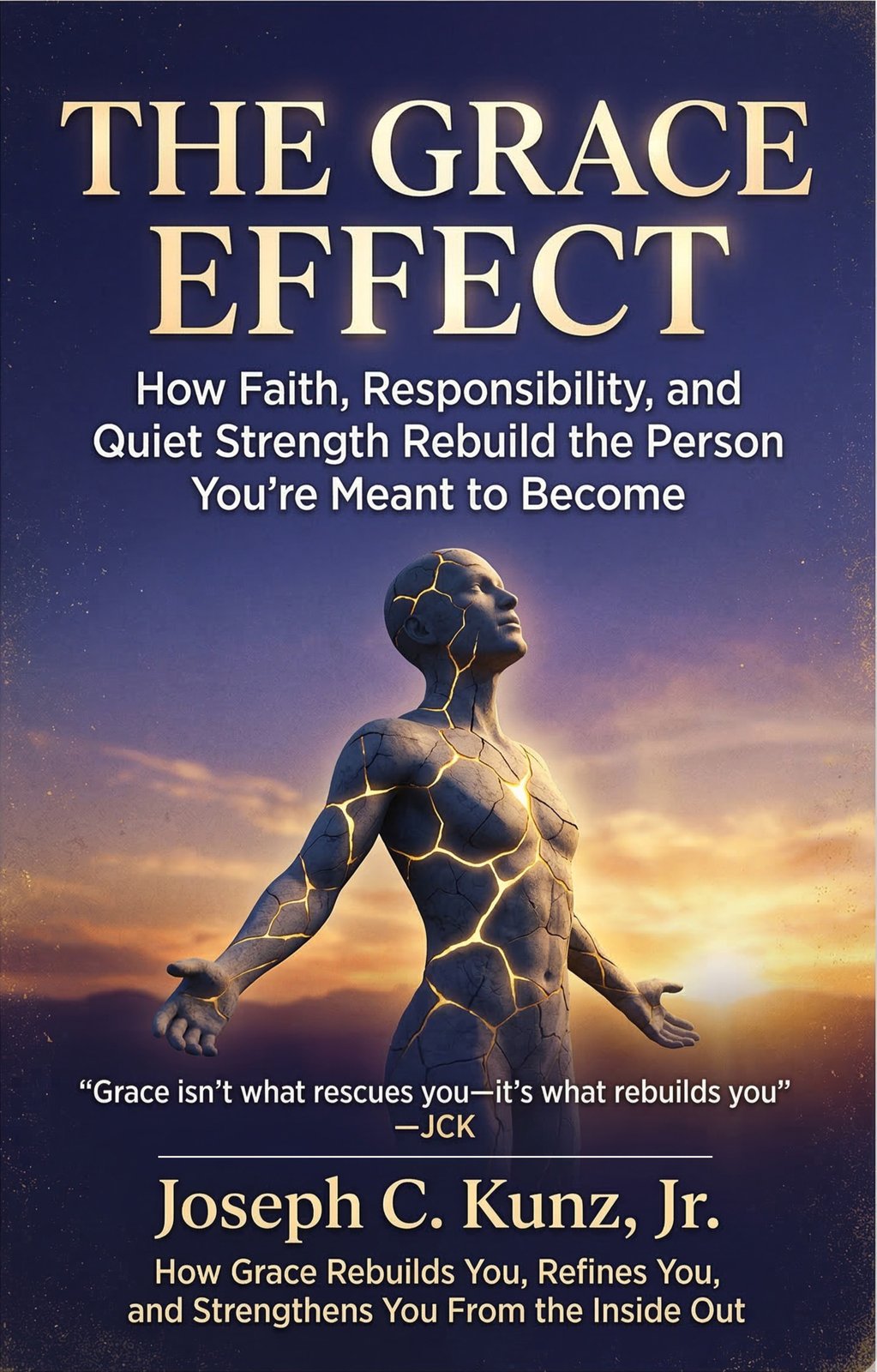
Let’s be honest—most “faith conversations” today are just cardio for the ego.
People “discuss” God the way they discuss documentaries: interesting, optional, and safely distant. They collect quotes. They trade objections. They stay “open-minded.” And they remain exactly the same—still ruled by appetite, mood, and pride.
Because debate is a perfect hiding place.
It lets you sound serious while avoiding the one thing faith demands: obedience.
But life doesn’t care how smart you sounded in the comment section. Life cares what you do when you’re tired, tempted, offended, afraid, and responsible for other people.
That’s where faith gets real: in marriage, when your ego wants to win; in temptation, when nobody’s watching; in suffering, when bitterness feels justified; in parenting, when your steadiness becomes someone else’s safety; in work, when integrity costs you something.
And here’s the part I’m saying with love: your family doesn’t need your opinions about God. They need a man who can carry weight without getting ugly. They need a man who can say “no” to himself. They need a man who can lead with calm strength instead of mood and ego.
That’s why I wrote The Grace Effect.
Not to help you win debates. To help you become unbreakable in the places that matter most. To build the kind of strength that doesn’t need applause. To train restraint, courage, humility, and duty—so you don’t crumble when pressure shows up.
Because grace isn’t softness. Grace is strength under control.
So if this essay hit a nerve, good. That’s the point. Now don’t just nod along. Don’t just “agree.” Train.
Read The Grace Effect here: Stop spectating. Start becoming. The Grace Effect — Build Strength With Grace
Coming Soon.