Which Income Stream Should You Start First?
A straight-talking roadmap for choosing your first source of passive income based on goals, grit, and practicality. —Joseph C. Kunz, Jr.
Your Step-by-Step Guide to Finding the Right Path for Building Wealth
By Joseph C. Kunz, Jr.
Synopsis
Most people don’t fail at building wealth because they lack options—they fail because they chase too many at once and never build the first stream to completion. In this straight-talking guide, Joseph C. Kunz, Jr. shows you how to choose your first income stream based on what you actually have right now: time, capital, creative horsepower, or an existing business foundation.
Instead of hype and fantasy, you’ll get a practical decision framework that maps the major income paths—profit streams and side hustles, dividends and interest, REITs, royalties, digital products, subscriptions, and more—so you can pick the one that fits your life and start moving with confidence. The goal isn’t to stack twelve streams overnight. It’s to build one smart stream, create momentum, and let that momentum buy you freedom.
The best income stream to start is the one that fits your life, not your fantasy. Build from there. —JCK
I. Introduction: Sparking Your Creative Money Mindset
If you’ve just digested The Dirty Truth About Income Streams, your mind is buzzing with possibility—and maybe even a little overwhelm. Twelve income streams can sound both exciting and intimidating. Here’s a reality check: You don’t need to master them all at once. You need one—the right one for you.
This article isn’t about constructing an empire overnight. It’s a practical guide to get your creative juices flowing so you can decide which income stream best fits your current situation. Whether you’re just starting out or looking to break free from your one-paycheck mindset, this guide is here to help you think critically, get inspired, and build a plan that leverages your unique strengths and circumstances.
Let’s break it down by asking a simple question: “What is your greatest resource right now?” Your answer will guide you toward the most realistic and rewarding starting point. In the sections below, we’re going to examine your options with detail—discussing the pros, cons, initial steps, and some real-life examples.
II. If You Have Time but Not Much Capital
Your Strength:
Time, energy, and hustle. You’re ready to put in the effort, but you might not have a lot of money saved up.
Ideal Income Streams:
A. Profit Income — Starting a Small Service or Product-Based Business
• What It Is: Turning skills or services into cash by offering a product or service that you can start with minimal upfront investment. Think local services (tutoring, lawn care, pet walking) or online ventures (freelance consulting, dropshipping, eBay reselling).
• Why It Works: It leverages your personal effort and expertise. No massive capital is required—just a commitment to learning the business basics.
• How to Start: Identify a market need, launch a minimum viable product (or service), and scale slowly. Reinvest your profits rather than taking them as income right away.
• Real-World Example: A friend started offering personal training sessions online using minimal equipment and built a loyal clientele that later allowed her to expand into digital fitness courses.
B. Affiliate Income — Earning a Commission by Recommending Products
• What It Is: You promote products or services that you already use or believe in and earn a cut for every sale made through your referral.
• Why It Works: This method requires a low initial investment and relies on building trust with an audience. It can start as a blog, social media channel, or YouTube series.
• How to Start: Pick a niche you know and love, join reputable affiliate programs, and produce genuine content that solves problems or entertains.
• Real-World Example: Many bloggers started by reviewing everyday products and evolved their platforms into trusted sources for recommendations, generating a steady income through affiliate links.
C. Commission-Based Sales — Turning Your Communication Skills into Cash
• What It Is: This stream involves selling products or services directly for a commission. It’s common in industries like real estate, insurance, and high-ticket consulting.
• Why It Works: It’s performance-based: the more you sell, the more you earn, and it often doesn’t require a significant financial outlay.
• How to Start: If you have a knack for persuasion and networking, consider industries where commissions are standard. Training and mentorship can help sharpen your sales pitch.
• Real-World Example: Independent insurance agents often start part-time, learning on the job until their commissions replace a full-time salary.
D. Hobby-Based Side Hustles — Turning Your Passion into Profit
• What It Is: Monetizing your existing hobbies, crafts, or skills—even if it’s only a few extra dollars per month. The goal isn’t to quit your job—it’s to get accustomed to earning outside of a paycheck.
• Why It Works: You already enjoy the activity. Now it’s about learning how to package it for others. Hobbies are often low-pressure ways to build confidence and small wins.
• How to Start:
Sell handmade items on Etsy
Offer custom digital designs or templates
Sell collectibles, vintage goods, or gear on eBay
Turn your knowledge into quick gigs on Fiverr or TaskRabbit
• Real-World Example: A woman who knitted as a hobby started selling scarves on Etsy every fall. Within a year, she added baby blankets and custom gift sets—and used the profits to fund Christmas for her family, entirely from a “side” income stream.
III. If You Have Capital but Limited Time
Your Strength:
You’ve worked hard to save money, and now you want that money to work for you. You’re not eager to clock in extra hours; you want returns without constant management.
Ideal Income Streams:
A. Dividend Income — Letting Your Investments Pay You Back
• What It Is: Investing in dividend-paying stocks or ETFs that return a portion of profits to shareholders, typically on a quarterly basis.
• Why It Works: It’s a relatively passive form of income that requires the initial capital to start. You can reinvest dividends to accelerate growth.
• How to Start: Learn the basics of stock market investing, consult with a financial advisor, and build a diversified portfolio of established companies.
• Real-World Example: Many investors start by buying blue-chip stocks, slowly building a portfolio that produces a steady stream of dividend payments over time.
B. Interest Income — Earning Through Lending Your Capital
• What It Is: Earning interest from savings accounts, CDs, bonds, or even becoming a private lender.
• Why It Works: It’s safe, predictable, and requires little to no day-to-day management.
• How to Start: Compare interest rates from banks or consider low-risk bonds. For more seasoned investors, explore municipal bonds or peer-to-peer lending platforms.
• Real-World Example: Some investors spread out their savings across several low-risk, interest-bearing accounts to steadily increase their passive income without exposure to excessive market volatility.
C. REITs (Real Estate Investment Trusts) — Passive Real Estate Income Without the Hassle
• What It Is: An investment vehicle that pools money from many investors to purchase income-producing real estate.
• Why It Works: It allows you to benefit from real estate returns without dealing with property management or tenant issues.
• How to Start: Research and invest in publicly traded REITs or real estate mutual funds. Even small amounts can be invested.
• Real-World Example: Investors who can’t or don’t want to manage property still build exposure to real estate returns by purchasing shares in REITs, enjoying both rental income distributions and property appreciation.
IV. If You’re Creative and Love to Build
Your Strength:
You have ideas, creative energy, and the passion to build something lasting. You’re looking to transform your creative projects into recurring income.
Ideal Income Streams:
A. Royalty Income — Getting Paid for Your Creative Output
• What It Is: Income that flows back to you from creative works—books, courses, photos, music—that continue to earn money over time.
• Why It Works: It rewards initial effort with long-term benefit. Once you create something valuable, it can continue generating revenue without constant updates.
• How to Start: Create high-quality, evergreen content. Use platforms like Amazon KDP, Gumroad, or Teachable.
• Real-World Example: Authors and online educators often record one course or write one book, then continue to earn royalties as new students or readers discover their work.
B. Passive Income (Digital Products) — Building Assets Once, Earning Forever
• What It Is: Creating digital products like ebooks, online courses, software, or templates that people can buy anytime.
• Why It Works: While it requires a significant upfront effort, the payoff is continuous with little extra work after launch.
• How to Start: Validate your idea, produce a quality product, and market it through platforms you already use.
• Real-World Example: An entrepreneur created a goal-setting journal and sells it digitally on Etsy and her website. It brings in monthly income with no inventory.
C. Membership/Subscription Income — Creating a Community That Pays for Ongoing Value
• What It Is: Earning predictable, recurring revenue by offering premium content, coaching, or a community that delivers consistent value.
• Why It Works: It builds loyalty and offers stability. Subscribers are more engaged and more likely to stick around.
• How to Start: Try platforms like Substack, Patreon, or build your own member portal. Start small and grow with your audience’s feedback.
• Real-World Example: A productivity coach turned his email list into a paid weekly newsletter. It now supports his business and personal life with steady, recurring revenue.
V. If You Already Have a Business or Side Hustle
Your Strength:
You’ve already built a foundation. You’re earning money, but you sense there’s untapped potential that could boost your current model.
Ideal Income Streams:
A. Expanding Through Affiliate Income
• What It Is: Create additional revenue by recommending complementary products or services that your customers already trust.
• Why It Works: It’s low effort, high return—and leverages your existing platform and audience.
• How to Start: Identify products aligned with your brand. Build them into your newsletters, thank-you pages, or product bundles.
• Real-World Example: A business coach recommends the invoicing software she uses. Every signup through her link earns her a commission—on top of her regular income.
B. Membership/Subscription Add-On for Existing Clients
• What It Is: Offer premium access, deeper support, or exclusive content to your existing customers through a monthly or yearly membership.
• Why It Works: You’ve already earned their trust—now you deepen the relationship and stabilize your income.
• How to Start: Survey your top customers. Offer “founding member” perks. Build around what they value most.
• Real-World Example: A fitness coach turned one-on-one clients into a VIP membership group with bonus workouts, meal plans, and Q&A sessions.
VI. Conclusion: Your Next Steps Toward Real Financial Freedom
You don’t need to juggle every income stream immediately. The secret is to choose the one that best fits your present resources—whether that’s time, money, or creativity—and get started. As you build confidence and see results, you can expand into additional streams.
• Assess your current assets: What do you have more of—time, money, or creative energy?
• Identify a low-risk starting point: Pick the income stream that aligns with your strengths and offers the quickest win.
• Plan a 90-day sprint: Commit to building that stream, track your progress, and adjust as necessary.
• Scale and diversify: Once you establish your first stream, reinvest the effort and profits into your next idea.
Ready to Begin?
You’ve got options. You’ve got ideas. What you need now is movement. Pick your first stream, commit to the process, and let it teach you what’s possible.
You’re not behind. You’re just getting started.
The best income stream to start is the one that fits your life. Build from there, and soon enough, your money starts working as hard as you do. —JCK
Related Essays: For the Ambitious Individual Ready to Go Deeper
If this essay lit a fire, these will keep it burning.
1. Why Rich People Think in Terms of Systems, Not Paychecks Learn how the wealthy escape the time-for-money trap by building income-producing machines.
Reader Comment: This essay flipped a switch for me—I finally understood why I was stuck trading hours for dollars.
2. Why the First $100K Is Harder Than the Next Million Discover why breaking the six-figure barrier is the toughest step in wealth-building—and how momentum makes everything after that easier.
Related Book: Stop Chasing Every Dollar. Build the One That Buys You Freedom.
Everyone’s screaming about “multiple income streams” like it’s some magic spell for instant wealth. But here’s the real talk: if you can’t build one income stream that works, stacking five of them just means you’ll drown faster. The secret isn’t to do everything—it’s to start with the right thing. The one that fits your life, your grit, your mission.
You don’t need a flashy side hustle. You need a foundation. One income stream that earns while you sleep because you built it with your eyes wide open—strategic, focused, relentless. That’s how wealth begins—not with hype, but with discipline, sweat, and a plan that actually fits you.
Most people dabble. The smart ones decide. They pick a lane and go all-in until it pays them back with freedom. That’s not boring—it’s brilliant. And it’s how every empire starts: one stream, one system, one man or woman who refused to scatter their focus.
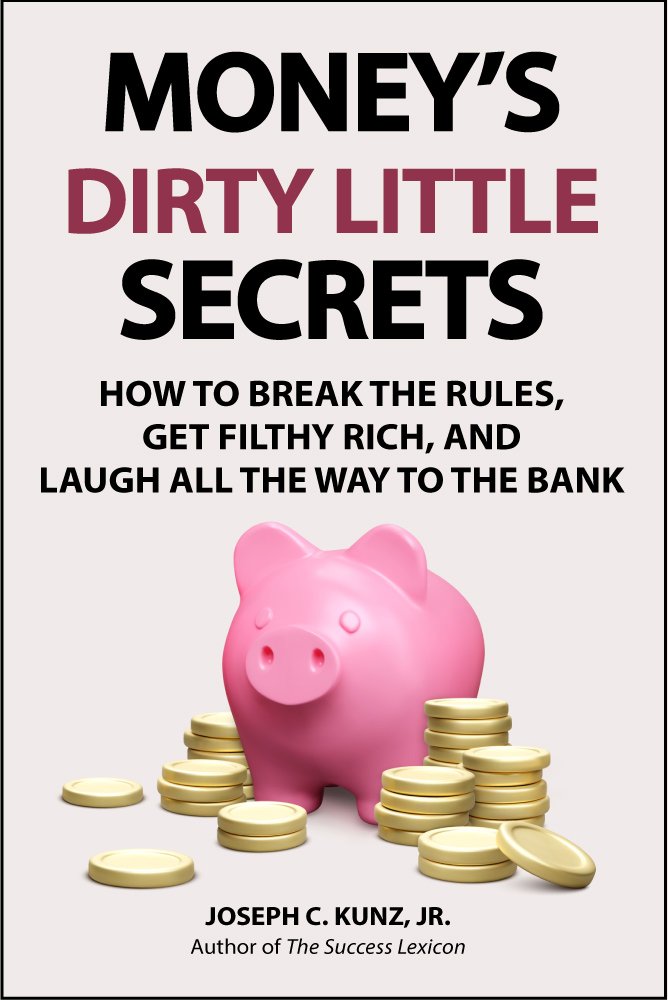
Learn how to make that move—with Money’s Dirty Little Secrets: How to Break the Rules, Get Filthy Rich, and Laugh All the Way to the Bank—the unapologetic guide for anyone who’s tired of hustling blind and ready to build wealth on purpose.
Because your first income stream isn’t just money—it’s momentum. And once that river starts flowing, everything else gets easier.
Don’t chase money. Build the machine that earns it for you—then never stop improving it. —JCK