Why I Trust Principles, Not Power

When you build your life on timeless principles instead of chasing approval, trends, or authority, you gain something no government or institution can give—or take away: real freedom. —Joseph C. Kunz, Jr.
The Polite Way of Saying, “Nice Try, but You’re Not the Boss of Me”
By Joseph C. Kunz, Jr.
Synopsis
In this blunt, unapologetic essay, Joseph C. Kunz, Jr. dismantles the modern obsession with power—the false belief that politicians, institutions, or cultural authorities can provide meaning, security, or direction. He argues that power always comes with strings attached, and that anyone who builds their life on permission will eventually be owned by whoever grants it.
Instead, Kunz makes the case for anchoring life in unshakable principles—faith, responsibility, self-reliance, and truth—the only foundations that survive cultural chaos, political swings, and economic pressure. This essay is a refusal to outsource values, a rejection of managed lives, and a call to build freedom from the inside out—where no authority can revoke it.
The moment you let someone else define success for you, you’ve already lost. —JCK
I. Introduction: The Seductive Lie of Power
We live in an era obsessed with power—political power, corporate power, social media influence. The louder it shouts, the more people seem to listen. It’s intoxicating to believe that if you just align yourself with the right people, the right party, or the right trend, your future will be secure.
But here’s the truth: power is unstable. It shifts with the wind, changes with public opinion, and disappears the moment someone stronger shows up. History is littered with once-powerful people who fell hard—and took anyone tethered to them down with them.
Principles, on the other hand, don’t flinch when the storm hits. They don’t bend to polls, they don’t care who’s in office, and they don’t fade when your social media account is suspended. They’re the quiet backbone that holds you steady while everyone else is scrambling for the next shortcut.
Trusting power is like building a house on sand. Principles are bedrock. You build there, you stay there, and nothing can take it from you.
II. The Strings Attached to Power
Power promises you a seat at the table—if you play along. It tells you that influence, wealth, or opportunity will flow your way, as long as you toe the line. But there’s always a catch.
The moment you depend on someone else’s power for your success, you’ve traded your independence for their approval. And make no mistake—approval can be revoked at any time.
The dirty secret is this: gatekeepers never tell you exactly where the line is—you’ll find out only when you’ve crossed it.
When your life is built on principles—self-reliance, personal responsibility, and faith—you answer to something far greater than the shifting whims of the powerful.
III. The Fragility No One Talks About
I’ve watched people trade their spine for access—just long enough to get the promotion, the invitation, the seat at the table. Then the rules changed. The applause stopped. And they were left holding a title they didn’t even like, in a life they didn’t recognize.
That’s the problem with living on permission: the landlord can raise the rent overnight.
Power looks rock-solid until you lean on it. Politicians lose elections. Businesses collapse. Cultural movements burn bright and then burn out.
Principles don’t care about your status. They work whether you’re on top of the heap or starting from scratch. And when the power players fade, the principled are still standing.
I’ve felt the pull of approval too. Everyone has. The point is seeing the leash before it tightens.
IV. The Power They Can't Compete With and Fear Most
Here’s the thing about power: it hates competition. And nothing competes with power like a person who can’t be bought.
If your moral compass comes from God, family, and hard-earned truth—not from applause, trends, or permission—you’re dangerous to any system that depends on compliance.
Not because you’re “extreme.” Because you’re independent.
And no, this doesn’t require some grand conspiracy. Incentives are enough.
Institutions drift toward control the same way bodies drift downhill—because control is efficient. Control reduces resistance. Control protects status. Control makes life easier for the people in charge.
So the playbook shows up in predictable ways: • Create dependence by making self-reliance harder and “help” easier. • Create fear so people beg for management. • Create confusion so people surrender judgment. • Create pressure so people trade convictions for comfort. • Create moral language (“progress,” “equity,” “safety”) so control sounds noble.
And once you start living on permission, you’ll be expected to pay the real price: not just agreeing—but enforcing. Hurting weaker people to prove loyalty. Calling it virtue because everyone else does.
That’s the ugly truth: loyalty to power isn’t about doing what’s right. It’s about doing what you’re told.
V. Why I Bet on Principles Every Time
Power fades. Principles compound.
• Power fades because it depends on permission. • Principles compound because they get stronger every time you live them out.
The more you practice your values and faith, the stronger they become. Every act of integrity, every decision you make when no one’s watching—it all builds a life that can’t be bought, bribed, or bullied.
And unlike power, principles don’t stab you in the back when they find someone more useful.
VI. The Real Payoff
Choosing principles over power is playing the long game. You’re building a reputation that will outlive your job title. You’re creating trust that no law can mandate.
And here’s the part nobody talks about: the peace you get from living true to your own values is worth more than any title, any office, any fleeting fame. Because when you can lay your head down at night knowing you didn’t sell out—you’ve already won.
VII. The Threat Gatekeepers Can’t Control
What most people miss is that choosing to stick to your principles and faith is a power in itself—and it’s the one power the ruling class can’t stand.
Political machines can replace your boss, rewrite the laws, and even inflate away your savings, but they can’t touch a man or woman anchored in something higher than them.
That’s why bureaucracies work so hard to compromise your principles, attack your faith, and control your money. They know that if they can’t buy you, they can’t own you—and if they can’t own you, they can’t control you.
And that, to them, is the ultimate threat.
VIII. Conclusion: Your Answer to Power
Power will try to tempt you, shame you, or starve you into compliance. It will try to convince you that the only way forward is to play the game. But if you refuse to sell out—if you keep your faith, your principles, and your integrity intact—you’ve already won.
Life is way too short to give up your principles for a short‑term gain of money and power. Once you sell them, you’ll never get them back. —JCK
Related Essays: For the Ambitious Individual Ready to Go Deeper
If this essay struck a chord, these will sharpen your edge even further.
1. The System Is Rigged — So Stop Playing by Their Rules
Break free from the illusion that the game is fair and learn how to win by refusing to play on their terms.
Reader Comment: This one made me stop and rethink how much I’d been waiting for a system that was never designed to work for me.
2. What Independent Thinkers Do Before 9 A.M.
Discover the habits that separate leaders from followers—and set the tone for wealth-building days.
Related Book: Power Fades. Principles Pay.
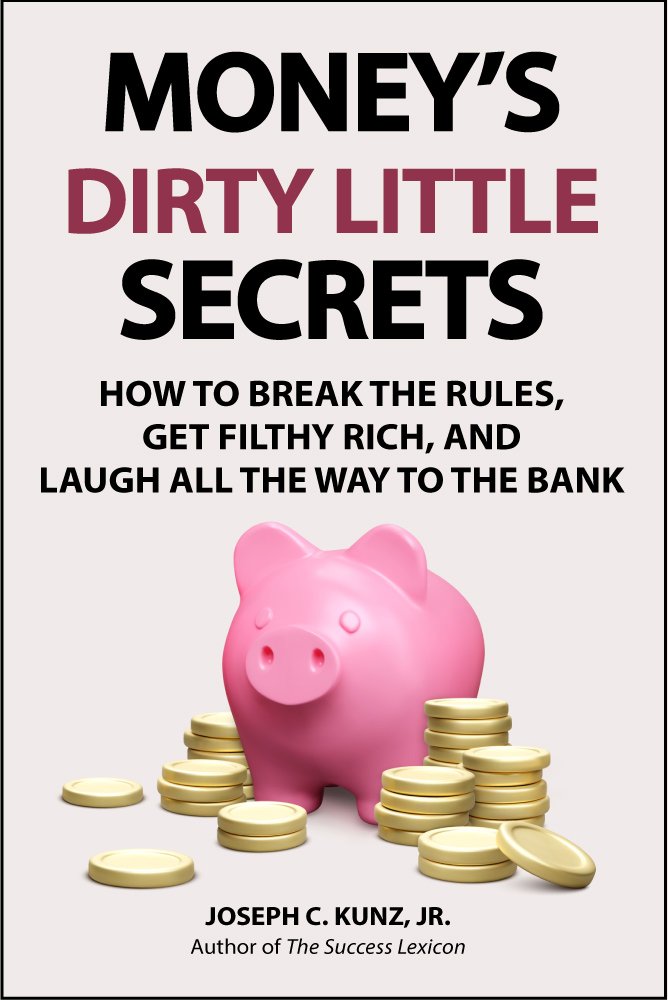
Money’s Dirty Little Secrets
Power will always try to manage you—through rules, pressure, fear, and dependency. That never changes.
What can change is whether you build a life that needs permission to survive.
I wrote Money’s Dirty Little Secrets for people who are finished waiting for approval and finished trusting systems that quietly profit from their obedience. This book is about building wealth, freedom, and leverage the old-fashioned way—through discipline, responsibility, and principles that don’t bend when the pressure shows up.
This isn’t a motivational speech. It’s a field guide for people who intend to stay independent.
If you believe principles matter more than power, this book isn’t optional—it’s your next move.
Grab your copy of Money’s Dirty Little Secrets today—and build something that doesn’t need permission to last.