What Thinking Outside the Box Really Means

We don’t find freedom by rejecting the box—we find it by understanding it well enough to rebuild it with purpose. —Joseph C. Kunz, Jr.
To Think Outside The Box, First Master What’s Inside
By Joseph C. Kunz, Jr.
Synopsis
“Think outside the box” is one of the most repeated phrases in modern life—and one of the least understood. In this essay, Joseph C. Kunz, Jr. argues that real outside-the-box thinking isn’t rebellion or novelty—it’s earned competence. The “box” isn’t your enemy; it’s the fundamentals: discipline, mastery, structure, and proven principles. You can’t outthink a system you never learned, and you can’t innovate responsibly until you understand what the rules were built to solve.
Kunz exposes how slogans replace thinking, why internet “gurus” sell performative originality, and how loose language leads to loose judgment. He makes the builder’s case that clarity—not cleverness—is the real gateway to freedom: define your terms, master the foundation, then redesign with purpose.
Everyone wants to think outside the box—until they realize it takes real work to build one worth escaping. —JCK
I. Introduction: The Phrase That Stopped Thinking
“Think outside the box.”
It’s become one of the most overused, least understood phrases in modern vocabulary. It shows up in boardrooms, classrooms, YouTube videos, and motivational memes—as if just repeating the phrase somehow makes you creative, bold, and destined for success.
But here’s the truth: most people who say they’re thinking outside the box aren’t thinking at all. They’re parroting a slogan. They mistake being different for being intelligent—and being loud for being original.
We’ve cheapened the meaning of thinking itself. And once a culture stops understanding its own words, it loses the ability to think clearly.
II. Understanding the Box Before You Try to Escape It
Everyone wants to “break out” of the box, but almost no one can describe what’s inside it. That’s the problem.
The “box” isn’t your enemy—it’s your foundation. It represents everything that’s proven to work: discipline, mastery, attention to detail, and respect for fundamentals.
You can’t outthink a system you never learned. You can’t innovate a process you never mastered. And you can’t think differently about success until you understand what success actually means.
Every true innovator—from Edison to Jobs—spent years inside the box before they dared to redesign it. They understood its dimensions, its rules, its purpose. That’s why they could see what others couldn’t.
You earn the right to “think outside the box” only after you’ve built something solid inside it.
III. Thinking Differently vs. Thinking Deeply
Too often, our culture rewards novelty over depth. We end up celebrating those who appear different, not those who think clearly.
But real success doesn’t come from rebellion for its own sake—it comes from clarity of purpose.
Thinking differently is easy; anyone can do it. Thinking deeply—that takes courage, time, and effort. It forces you to confront uncomfortable truths, test assumptions, and refine your own mind before trying to change the world.
Most “outside-the-box” ideas fail because they were never rooted in understanding. They were acts of ego, not insight.
You don’t need to reject the box—you need to understand the problem the box was built to solve. That’s how you transform chaos into clarity and imagination into achievement.
IV. The Language Trap
Part of the reason people chase slogans like “think outside the box” is that they’ve stopped questioning the language they use.
We hear a phrase so often that it becomes truth by repetition. But when words lose their precision, they lose their power.
When you say “think outside the box,” what are you really saying?
Do you mean to challenge assumptions? To seek clarity? To innovate responsibly? Or do you just mean to do something different because the crowd told you to?
The first step toward genuine thinking isn’t cleverness—it’s definition.
You must reclaim the meaning of your words before you can reclaim the direction of your life.
That’s where success starts: by truly understanding what your own words mean.
V. Why the Gurus Get It Wrong
Every big mouth on YouTube loves to claim they “thought outside the box” and became millionaires. They’ll tell you that thinking differently made them rich—usually while filming in front of a rented Lamborghini.
But here’s the truth they won’t tell you: most of them didn’t think differently. They just copied someone else’s formula for attention.
Thinking outside the box doesn’t mean rejecting hard work. It doesn’t mean ignoring structure, or rules, or ethics. It means mastering those things so completely that you can improve them intelligently.
The loudest people online rarely understand what they’re talking about because they never stopped long enough to ask the simplest question: What does this even mean?
The people who actually build wealth, influence, and legacy are the ones who do that first.
VI. The Real Meaning of “Outside the Box”
To truly think outside the box means to:
• Understand the rules well enough to know which ones can be bent without breaking.
• Use creativity to serve truth, not vanity.
• Refuse to confuse being noisy with being noble.
It means your goal isn’t to look unique—it’s to be useful.
You’re not here to reject structure; you’re here to refine it, improve it, and make it serve a higher purpose.
That’s what real thinkers, builders, and creators do. They don’t run from the box—they redesign it from the inside out, guided by clarity and conviction.
VII. The Deeper Lesson: Clarity Is Freedom
The deeper you go into this phrase, the clearer it becomes that it’s not really about creativity—it’s about clarity.
When you understand what words really mean, you stop being manipulated by those who twist them.
When you understand what success means, you stop chasing someone else’s version of it.
When you understand what “the box” really is, you can finally decide what belongs in yours—and what doesn’t.
This is the real work of thinking for yourself: not escaping the system, but seeing it clearly enough to master it.
And that’s what separates people who merely play the game from those who quietly, patiently, and purposefully rewrite the rules.
VIII. Conclusion: The Freedom Found in Discipline
“Thinking outside the box” isn’t a slogan to post on LinkedIn. It’s a discipline. A responsibility. A mindset built on understanding, not rebellion.
You can’t think freely until you’ve learned to think clearly.
You can’t innovate until you’ve mastered what already works.
And you can’t create something meaningful until you’ve defined what “meaningful” actually means.
So, before you rush to escape the box—take the time to understand it. You might discover that the real breakthrough isn’t found outside at all.
It’s found inside—where truth, clarity, and conviction still matter.
The box is where you build your foundation. Outside the box is where you prove it’s strong enough to stand. —JCK
Related Essays: For the Thinker Who Wants More Than Slogans
If this essay made you rethink what “thinking differently” really means, these will take you even deeper.
1. Don’t Outsource Your Thinking — Even to “Experts”
Learn why real independence starts when you stop renting other people’s opinions and start building judgment of your own.
Quote: Independent thought isn’t rebellion—it’s responsibility. –JCK
Reader Comment: This essay hit hard. I realized how often I let so-called experts do my thinking for me—and how freeing it feels to reclaim that responsibility.
2. Freedom Starts in Your Mind, Not Your Bank Account
Discover how mental discipline and clarity—not income—create the foundation for every kind of freedom worth having.
Related Book: Stop Chasing Slogans. Start Chasing Truth.
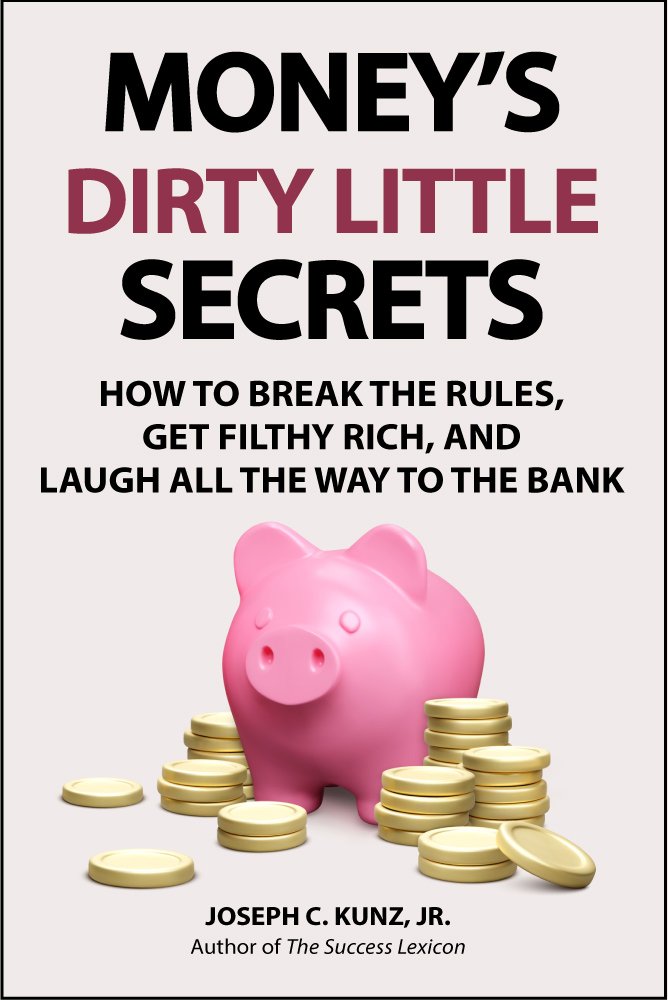
Most people chase new ideas before they’ve mastered the old ones. Real success begins when you stop following slogans and start building systems that actually work.
Money’s Dirty Little Secrets pulls back the curtain on how wealth is truly created—not through gimmicks, but through clarity, discipline, and purpose.
The world’s full of talkers telling you to “think differently.” But clarity, courage, and conviction don’t come from being different—they come from being grounded.
If you’re tired of the noise and ready to build real wealth, real independence, and a life that actually makes sense, it starts with how you think.
Read Money’s Dirty Little Secrets. Learn to see through the hype, build from principle, and laugh all the way to the bank—because you earned it.