The One Financial Habit That Separates Winners from Whiners

The fastest way to stop living paycheck to paycheck is to pay yourself first and put your money to work before anyone else gets it. —Joseph C. Kunz, Jr.
Why Treating Your Future Like A Bill Transforms Your Finances — And Your Mindset
By Joseph C. Kunz, Jr.
Synopsis
This isn’t a cute budgeting tip or a long financial philosophy. In this essay, Joseph C. Kunz, Jr. argues that the single habit separating winners from whiners is brutally simple: pay yourself first. Winners don’t “see what’s left.” They treat their future like the first bill that gets paid—taking a fixed percentage off the top of every paycheck and moving it immediately into savings or investments before spending can sabotage it.
Kunz explains why leftover money never appears, why small consistent deposits beat big occasional intentions, and why urgency matters—because compounding rewards the person who starts early and repeats the process automatically. The challenge is blunt: make your future non-negotiable, or accept the whiner’s cycle of excuses, stress, and paycheck-to-paycheck living.
Every dollar you control is a seed—plant it today, and let tomorrow pay you back with interest. —JCK
I. Introduction
Money reveals a lot about a person’s mindset. The difference between people who steadily build wealth and those who constantly struggle isn’t luck, income, or opportunity. It comes down to one habit—one daily financial discipline that separates the winners from the whiners: they pay themselves first.
II. The Habit That Separates Winners from Whiners
Winners build; whiners blame. That’s the dividing line in money, success, and life. And the one financial habit that makes the difference is this: they treat their future as their first bill.
Every paycheck, winners take a slice off the top—whether it’s 5%, 10%, or more—and move it straight into savings or investments before they touch the rest. They don’t wait to see what’s left over at the end of the month, because they know the truth: there’s never anything left over.
Whiners do the opposite. They pay their bills, spend freely, swipe the credit card, and only then ask, “Can I afford to save?” Spoiler: they never can. So they blame bad luck, bad bosses, or bad politics.
The point isn’t to ignore your bills—it’s to put yourself on the list of bills that must be paid. You wouldn’t skip the electric bill or the rent, right? Winners make their own future just as urgent.
Take a simple example: If you earn $1,000, a winner immediately moves $100 into a savings or investment account. That $100 is gone before they even think about rent, groceries, or entertainment. Why? Because their future is non-negotiable. Do that every paycheck, and suddenly you’ve built thousands without even noticing.
And here’s the mindset that makes this habit powerful: move that money into investments as quickly as possible. Winners don’t let it sit idle—they want every dollar earning more dollars, every minute of every day. Because compound growth isn’t just about years—it’s about speed, urgency, and consistency.
Of course, this process takes commitment, responsibility, and planning. You can’t just “try it” for a month and expect magic. You need to plan your budget around it. You need to take responsibility for keeping your hands off the money once it’s moved. And you need the commitment to repeat the process every single payday until it becomes automatic.
That’s when it turns into a habit—the kind of habit that quietly separates winners from whiners.
III. Conclusion
Here’s the brutal truth: if you don’t set aside money first, you’ve already decided to stay broke. It’s not about the size of your paycheck—it’s about making your future non-negotiable and giving your money the job of working harder than you do.
So, which side are you on? The one that builds wealth automatically, one paycheck at a time—or the one that complains while someone else does?
Winners treat their future like a bill that always gets paid—and they put their money to work immediately. Whiners don’t. That’s the habit. —JCK
Related Essays: For Those Who Know Habits Make or Break Wealth
If this essay sharpened your focus, these will drive the lesson even deeper.
1. The Wealth Skill No School Will Teach You
Why self-discipline with money is the missing curriculum for lasting success.
Reader Comment: This essay was the gut punch I needed—it showed me that discipline is the skill I can’t afford to ignore.
2. The First Rule of Wealth: Stop Making Excuses
Excuses are the surest way to stay broke—cut them out if you want to build real wealth.
Related Book: Stop Whining. Start Winning.
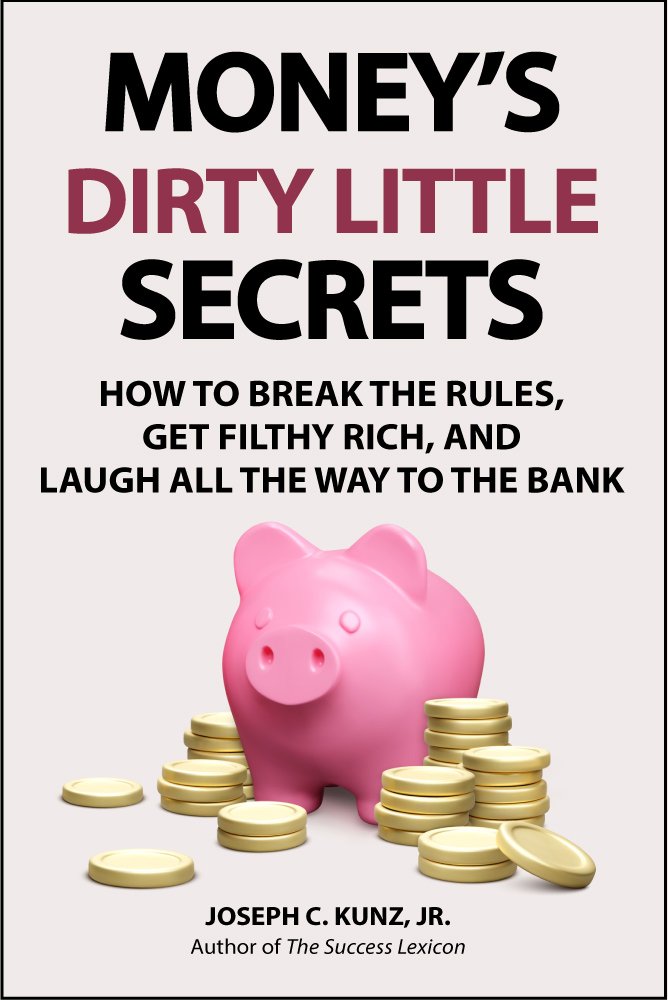
If this essay made you squirm, good—it means you needed to hear it. Money’s Dirty Little Secrets doesn’t coddle or sugarcoat.
It rips away the excuses, exposes the traps, and hands you the unfiltered rules of wealth the system doesn’t want you to know.
This book isn’t for spectators—it’s for people ready to stop blaming, stop waiting, and finally take ownership of their money and their future.
Get your copy of Money’s Dirty Little Secrets now—and prove to yourself you’re done whining and ready to win.