More Money Truths I Wish I Had Learned in My 20s

The overlooked financial lessons about taxes, credit, health, and mindset that can make the difference between building lasting wealth and living with lifelong regret. —Joseph C. Kunz, Jr.
10 More Lessons That Separate Financial Freedom from Lifelong Regret
By Joseph C. Kunz, Jr.
Synopsis
This is not an essay about basic budgeting advice, quick money hacks, or repeating the same “save more, spend less” slogans that people hear and forget. In this essay, Joseph C. Kunz, Jr. argues that most financial regret does not come from one catastrophic mistake, but from a series of overlooked blind spots—areas like taxes, credit, health, relationships, and mindset that quietly shape whether a person builds lasting wealth or lives with long-term consequences. What makes these lessons dangerous is not their complexity, but their invisibility in the years when they matter most.
Kunz makes the case that money is never just about income—it is about structure, discipline, and the systems that protect or expose your future. He walks through the real-world arenas where financial strength is quietly built or destroyed, showing how ignorance in areas like taxation, credit, and risk management can cost decades, while clarity in those same areas creates leverage, flexibility, and long-term security. The essay also connects financial outcomes to deeper life decisions, including health, marriage, ownership, and personal habits, arguing that wealth is the byproduct of alignment across these domains—not a result of isolated financial tactics. Throughout, Kunz reinforces a builder’s mindset: durable wealth comes from consistency, protection, and intentional design, not speed, luck, or short-term wins.
The conclusion is simple: building wealth is not primarily about how much you earn, but about how well you structure your life to protect, grow, and sustain what you earn. Learn these lessons early, and you gain options, freedom, and stability. Ignore them, and you can spend a lifetime making good money while carrying the quiet weight of avoidable regret.
Money is never just about money. It’s about discipline, clarity, and the options you give yourself in life. –JCK
I. Introduction: The Lessons Nobody Bothered to Teach
The first set of money truths was about the basics—save early, avoid debt, stop showing off, and start building. But there’s more. Much more. Because money isn’t just about dollars and cents—it’s about the systems, habits, and blind spots that can either protect your future or sabotage it.
The problem is nobody hands you this playbook in your 20s. Colleges don’t teach it. Parents often don’t know it. Friends are too busy pretending they’ve got it all figured out. So, most of us learn the hard way—through mistakes, regret, and years wasted digging out of holes we didn’t need to fall into.
That’s why this list exists. These are the truths I wish had been drilled into me when I was young, broke, and eager. They go beyond “save money” and “don’t rack up debt.” They’re about protecting yourself, building wisely, and playing the long game. Because money doesn’t care if you’re naive—it will punish you anyway. But it will also reward you, if you respect it.
II. 10 More Money Truths I Wish I’d Learned in My 20s
1. Learn How Taxes Actually Work
What most people do: They treat taxes like a once-a-year annoyance—then act shocked when their paycheck feels smaller than their effort. They focus on income and ignore keep-rate.
Builder rule: It’s not what you make. It’s what you keep, and how fast you can turn what you keep into assets.
Do this this week:
1. Find your effective tax rate (not just your bracket).
2. Set a default: every raise gets split—some to retirement, some to taxable investing, some to “tax-proof” moves.
3. Learn the difference between deductions vs credits, and stop guessing.
4. If you’re self-employed or side-hustling, treat taxes like a monthly bill, not a surprise attack.
Ignorance turns taxes into your biggest expense. Understanding turns them into a strategy—legal, boring, and insanely powerful over decades.
2. Protect Your Credit Like It’s Gold
What most people do: They “use credit” without realizing they’re building a reputation score that affects interest rates, insurance pricing, rentals, and approvals.
Builder rule: Credit is trust with a number. And trust is expensive to rebuild once you torch it.
Do this this week:
1. Put every bill on auto-pay minimums so “forgot” never happens.
2. Keep utilization low (stop living near the limit).
3. Don’t apply for junk credit. Don’t co-sign for emotional reasons.
4. Check your reports and dispute errors—quietly, repeatedly, until they’re fixed.
A strong score isn’t about borrowing to look rich. It’s about leverage: lower costs, better options, and the ability to move fast when an opportunity shows up.
3. Get Rich Slow Beats Get Rich Quick
What most people do: They chase heat—hot stocks, hot crypto, hot tips—because slow growth feels insulting to their ego.
Builder rule: Fast money is usually fragile money. Durable wealth is built with boring consistency.
Do this this week:
1. Write your “no gambling” rule in ink: no trades you can’t explain in one sentence.
2. Pick a simple investing plan you can follow in a bad month and a good month.
3. Automate deposits. Stop watching the market like it owes you entertainment.
4. Measure progress yearly, not hourly.
The secret isn’t prediction. It’s behavior. Compounding rewards the man who can stay calm, stay consistent, and stop interrupting the process.
4. Health Is Wealth — Literally
What most people do: They treat health like a vibe—until it becomes a bill. Then they pay for neglect with money, energy, and lost years.
Builder rule: Your body is an economic asset. Guard it like one.
Do this this week:
1. Lock the basics: sleep, movement, real food, hydration.
2. Remove the “daily damage” habits you’ll regret at 45.
3. Get preventive care and stop acting like avoidance is bravery.
4. Build stamina—because stamina is earning power and leadership capacity.
Wealth without health buys prescriptions and worry. Health gives you the capacity to work, to provide, to enjoy, and to stay useful long enough to see your compounding actually pay off.
5. Marry Wisely (It’s Financial, Too)
What most people do: They pick chemistry and hope values magically align later. Then they discover money conflict isn’t about dollars—it’s about character.
Builder rule: Marriage is a partnership. If you aren’t aligned on money, you aren’t aligned on life.
Do this this week: Whether you’re dating or married:
1. Get brutally honest about debt, spending, saving, faith, ambition, generosity, and lifestyle.
2. Agree on a system: budget method, accounts, spending thresholds, goals.
3. If you can’t talk about money calmly, you’re not ready to build together.
The wrong partner can bankrupt your future—financially and emotionally. The right partner multiplies your discipline, your clarity, and your ability to play the long game without constant sabotage.
6. Own, Don’t Just Rent
What most people do: They consume everything and build nothing—then wonder why their paycheck disappears without leaving anything behind.
Builder rule: Every dollar should either buy necessity or build ownership.
Do this this week:
1. Identify one “ownership lane” you will steadily build: index funds, a business, home equity, a skill that raises income power.
2. Stop financing depreciating status.
3. Make “equity” your favorite word—because equity is what sticks to your name.
Renting can be smart early. But a life built entirely on renting—housing, cars, subscriptions, lifestyle—is a life where your work fuels everyone else’s balance sheet.
7. Automate Good Habits
What most people do: They rely on willpower, and willpower dies the moment life gets stressful.
Builder rule: A system beats motivation. Every time.
Do this this week:
1. Auto-transfer savings the day after payday.
2. Auto-invest weekly or monthly—no debate, no drama.
3. Auto-pay bills so late fees never touch you.
4. Build a “friction” system: make bad spending harder and good saving effortless.
Automation isn’t laziness. It’s maturity. You’re removing your weakest link—your emotional decision-making—so wealth gets built quietly in the background while you live your life and handle real responsibilities.
8. Diversify or Die
What most people do: They fall in love with one big bet and confuse confidence with immunity. Then one bad outcome wipes out years.
Builder rule: Never let one decision have the power to ruin your future.
Do this this week:
1. Define your “single-point-of-failure” risks and eliminate them.
2. Spread investments across assets and sectors.
3. Build more than one income stream if possible.
4. Keep an emergency buffer so you’re never forced to sell at the worst time.
Diversification isn’t about being timid. It’s about being unkillable. Wealth isn’t built by being right once. It’s built by surviving long enough for compounding to do what it does.
9. Insurance Isn’t a Scam — It’s Protection
What most people do: They skip coverage because it feels like “wasted money”—until a crash, diagnosis, injury, or lawsuit turns their finances into rubble.
Builder rule: Insure what you can’t afford to replace—your health, your income, your liability.
Do this this week:
1. Review health coverage and deductibles like an adult.
2. Consider disability coverage (your paycheck is an asset).
3. Get adequate auto/home liability; consider umbrella if appropriate.
4. Don’t over-insure gadgets. Insure the catastrophic.
Insurance isn’t fear. It’s responsibility. You’re buying protection against the kind of event that doesn’t just hurt—it erases years of work. Builders don’t gamble their whole future to save a small monthly premium.
10. Generosity Creates Wealth, Too
What most people do: They cling to money like it’s oxygen, and it turns them anxious, stingy, and small—even if their net worth grows.
Builder rule: Generosity keeps money in its proper place: a tool, not a master.
Do this this week:
1. Pick a giving practice you can sustain (money, time, skill—or all three).
2. Give intentionally, not impulsively.
3. Support things that strengthen families, communities, faith, and responsibility.
4. Teach generosity in your home, because legacy is learned.
This isn’t sentimental. It’s practical: generosity builds perspective, gratitude, relationships, and trust—forms of wealth that outlast market cycles. The goal isn’t just to be rich. It’s to be free enough to do good without fear.
III. Conclusion: The Regret You Can Avoid
Your 20s are loud. You’re busy proving things—mostly to people who won’t be around when the bill comes due. That’s why these lessons matter. Not because they’re “advanced.” Because they’re invisible until they’re expensive.
Taxes don’t care that you didn’t know better. Credit doesn’t care that you were young. Your body doesn’t care that you felt invincible. A bad partnership doesn’t care that you were “in love.” Money punishes ignorance with no emotion—and rewards clarity with the same cold consistency.
So here’s the point: building wealth is not primarily about income. It’s about structure. It’s about protecting what you earn, reducing avoidable risk, and turning discipline into default. When you understand taxes, guard your credit, invest slowly, insure what you can’t afford to lose, automate good habits, and choose wisely in marriage and ownership—you stop living paycheck-to-paycheck emotionally, even if your income goes up.
The first ten truths gave you the foundation. These ten are the safeguards. Put them in place now, and you won’t just have more money later—you’ll have options. And options are what freedom looks like in real life.
Money is a reflection of how you live, not just how you earn. Get that right, and wealth takes care of itself. –JCK
Related Essays: For Those Who Want the Whole Playbook
If these truths stung a little, these will light a fire under you.
1. Why Rich People Think in Terms of Systems, Not Paychecks
Learn how the wealthy escape the time-for-money trap by building income-producing machines.
Reader Comment: This essay flipped a switch for me—I finally understood why I was stuck trading hours for dollars.
2. The Legacy Code: 12 Rules for Winning at What Really Matters
Discover how wealth, faith, and responsibility come together to create a life that outlasts you.
Related Book: Stop Drifting Through Life — Start Building Wealth on Purpose
Here’s the truth: no one is coming to save you from bad decisions, mounting debt, or wasted time. Not the government, not your boss, not your friends. If you don’t take ownership of your money, someone else will—and you won’t like the outcome.
The good news? You don’t need a trust fund or a background on Wall Street. You just need the guts to stop lying to yourself, the discipline to start now, and the willingness to learn truths most people spend decades ignoring.
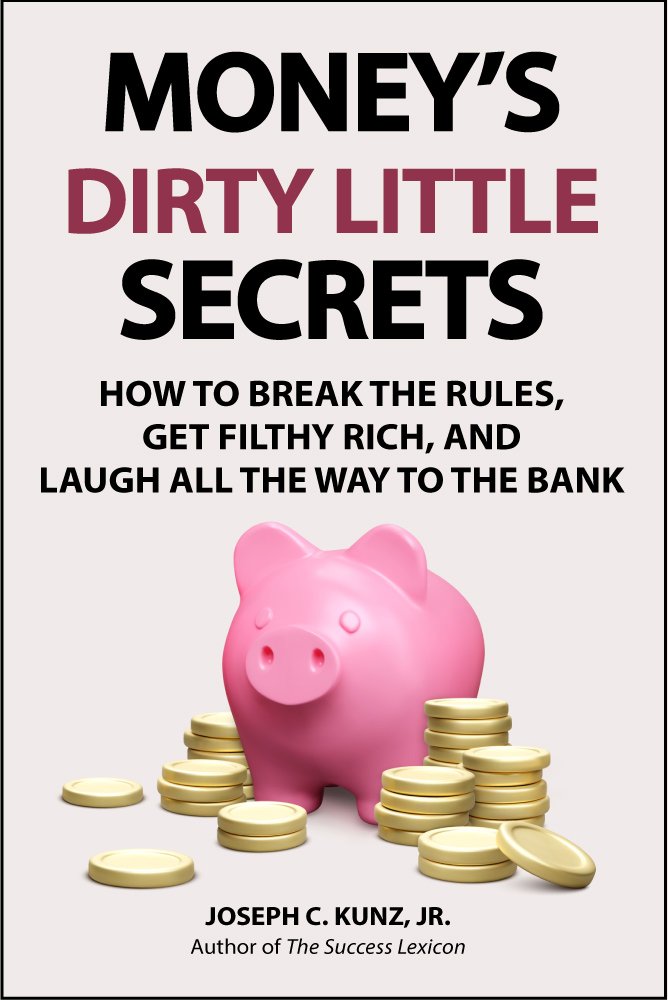
That’s why I wrote Money’s Dirty Little Secrets. It’s the playbook I wish I had in my 20s—the one that would’ve saved me years of mistakes. It’ll punch you in the gut, shake you awake, and give you the tools to finally take control.
Stop waiting. Stop drifting. Pick up the ball and start scoring. Because the cost of inaction isn’t just money—it’s your future.
That’s exactly what I unpack in Money’s Dirty Little Secrets—the truths no one else will tell you.